

A few years ago, I worked with a business owner who had reached a point he never thought he’d hit: He was ready to walk away from the company he’d built.
The work had become a grind, and his calendar was completely filled with meetings that were taking more out of him than they were giving back. Nothing about the week felt under control, and he was starting to wonder whether running a company was supposed to feel this heavy all the time.
He agreed to give me 90 days to help him take back control of his company. We didn’t start by changing the strategy. We started by changing the meetings.
A few months later, he said something I haven’t forgotten: “The meetings gave me my business back.”
That line sticks with me because it gets at what effective Level 10 Meetings actually do. They don’t just make the time feel more productive. They make the work easier after the meeting ends. People leave clearer about what they’re accountable for, execution gets stronger, and the team spends less time cleaning up confusion afterward.
So let’s talk about how to run EOS® Level 10 Meetings that are actually worth the time they take. Because the goal isn’t to fill the hour. It’s to help your team focus, align, and move the work forward.
Not sure your Level 10 Meetings are actually helping your team gain Traction®? Take the Rate Our Meetings Quiz to see where your team stands and to get practical ideas to improve your meeting rhythm.
Why So Many Meetings Feel Like A Waste of Time
It’s easy to blame a bad meeting on the person who dominated the conversation or on an agenda that wasn’t managed very well. But the issue usually starts earlier than that. The real reason most teams leave a Level 10 Meeting® frustrated is because the meeting was never run the way it was meant to be.
One number goes off track and the team starts trying to solve it immediately. A headline turns into a side conversation. A Rock review turns into a long explanation. Before long, most of the hour is gone, and the team still hasn’t reached the part of the meeting where the real work is supposed to happen.
That’s when a Level 10 Meeting starts feeling like a waste of time. The hour gets used, but the team leaves without clarity, ownership, or Traction®.
A well-run Level 10 Meeting works because everyone understands what each part of the agenda is for. The Segue is for helping the team settle in and connect. The Scorecard is for reviewing the numbers. Rock review is for checking progress on goals and priorities. Headlines are for making the team aware of what matters. And IDS® is for solving the real issues. Once the team stops following that structure, the meeting loses what makes it effective.
A strong Level 10 Meeting should leave the team with a shared understanding of what matters most, what was decided, and who owns the next step. If that isn’t happening consistently, the format isn’t the problem. The discipline is.
Be Clear About The Purpose
An EOS® Level 10 Meeting isn’t just a check-in. It has a very specific purpose: To create a weekly meeting pulse that helps the team stay aligned, review what matters, and solve the biggest issues standing in the way of progress. When people start treating it like a general catch-up meeting or a status update meeting, the format loses what makes it powerful.
That’s why it helps to get everyone on the same page about what the meeting is and what it isn’t.
A Level 10 Meeting is for:
-
Reviewing the numbers that matter
-
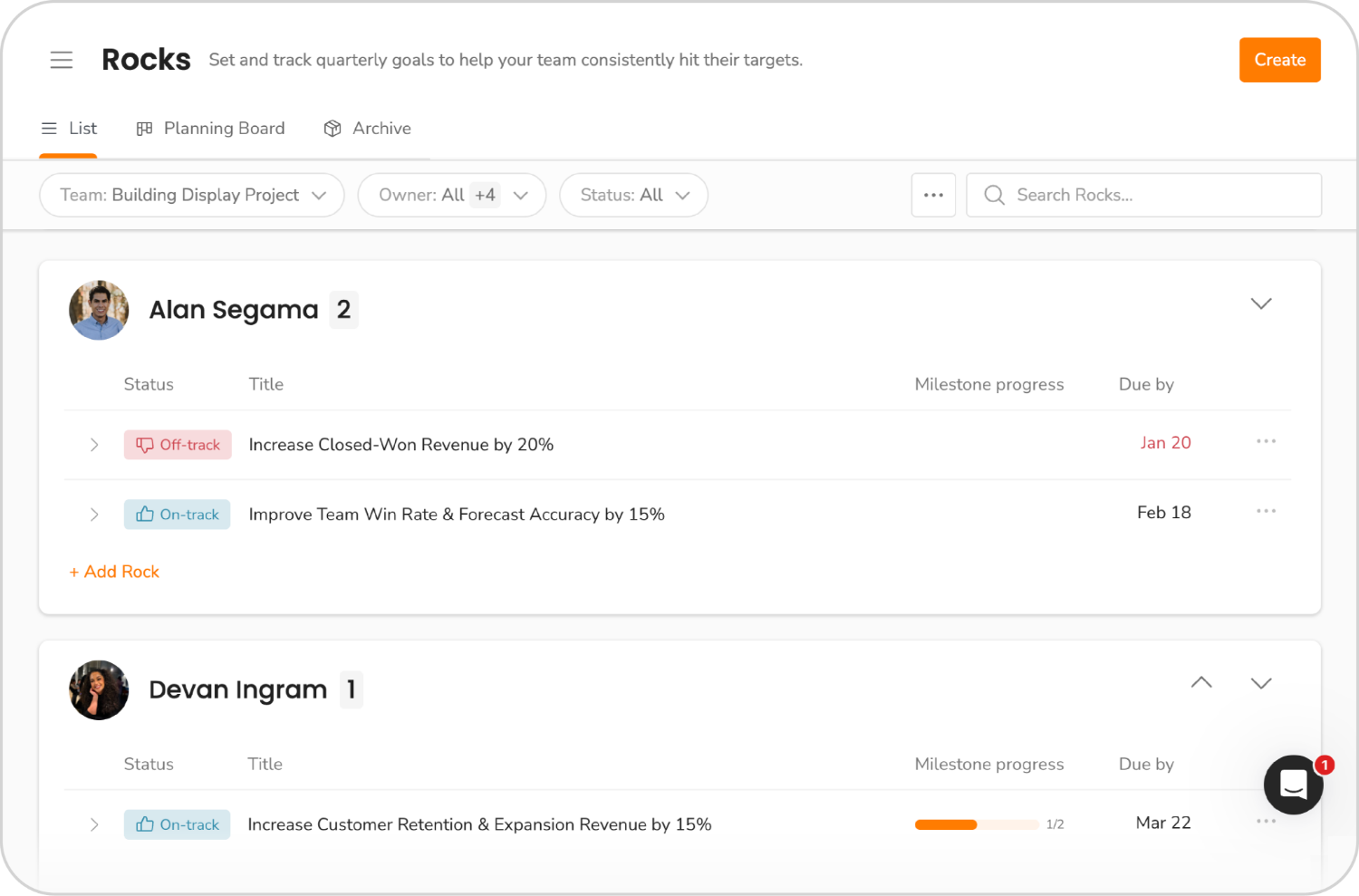
Checking progress on Rocks
-
Making key headlines visible
-
Reviewing To-Dos
-
Solving the highest-priority issues through IDS®
It is not for:
-
Open-ended updates
-
Long explanations
-
Side conversations
-
Solving every issue the second it appears
-
Filling time just because the meeting is on the calendar
Once the team understands the true purpose of the Level 10 Meeting, it stops turning into a general update session. People know what they’re expected to bring, what should be dropped into the Issues List, and which part of the agenda is meant for real issue-solving. That kind of clarity makes the format a lot easier to run well.
Build More Discipline Into Your Level 10 Meetings
Once the purpose is clear, structure comes next. EOS® already gives you the structure. What makes the meeting more effective is how consistently your team follows it.
A few habits matter more than anything else:
-
Separate reporting from solving: Reporting happens at the beginning of the meeting when you review the Scorecard, Rocks, and headlines. If an issue needs deeper discussion, capture it and move it to IDS®. The early parts of the agenda are not the place to solve everything.
-
Define who owns the meeting: Every Level 10 Meeting needs leadership inside the meeting itself. Someone needs to facilitate the agenda, someone needs to capture notes and To-Dos, and the team needs shared discipline around how the meeting is run.
-
Start and end on time: A Level 10 Meeting works best when the team treats the hour seriously. Starting late teaches people the start time doesn’t matter. Running over teaches them the structure is optional. Neither helps the team trust the process.
-
Protect IDS® time: IDS® is the most valuable part of the meeting. That’s where the team identifies the issues that are stalling progress, discusses them, and solves them. If the meeting burns too much time before IDS®, you lose the part of the agenda that actually moves the business forward.
-
Rate the meeting at the end: Rating the meeting matters because it gives the team a way to tell the truth about how the meeting felt and how well it worked. Encourage people to be honest because that feedback helps build better meeting discipline.
These may seem like simple habits, but they create a very different meeting experience. Instead of spending an hour talking in circles, the team leaves with clarity on what was decided, who owns what, and what happens next.
"I forgot what this felt like to love running this company. The meetings gave me my business back." — Meetings Kinda Suck
Protect the Time for IDS®
A lot of Level 10 Meetings lose their value because teams start solving issues in the wrong part of the agenda.
A number comes in off track and the team starts unpacking it on the spot. A Rock is behind and now the meeting takes a ten-minute detour. A quick headline opens the door to a side conversation, and before long, the group has spent half the meeting on things that should’ve been discussed later.
The other problem is that teams often don’t leave enough time for IDS® in the first place. They burn too much of the meeting on Scorecard review, Rock review, headlines, and explanations, then wonder why they never get to the part of the agenda that actually helps them solve anything. The meeting may feel full, but the team leaves without doing enough real issue-solving.
That’s why effective Level 10 Meetings need discipline around where different kinds of conversation belong and how much time each part of the agenda should get.
Reporting isn’t the same thing as solving. A Scorecard review should tell you what’s on track and what’s not. A Rock review should tell you whether the work is moving. Headlines should make people aware of what matters. If something needs a deeper conversation, capture it on the Issues List and come back to it in IDS®, the part of the meeting meant for real problem-solving.
That one habit protects the time that matters most. It also keeps the team from spending its best energy in the wrong part of the meeting. If your Level 10 Meeting starts losing focus, pause and ask: Do we need to solve this right now, or do we need to capture it and come back to it in IDS®?
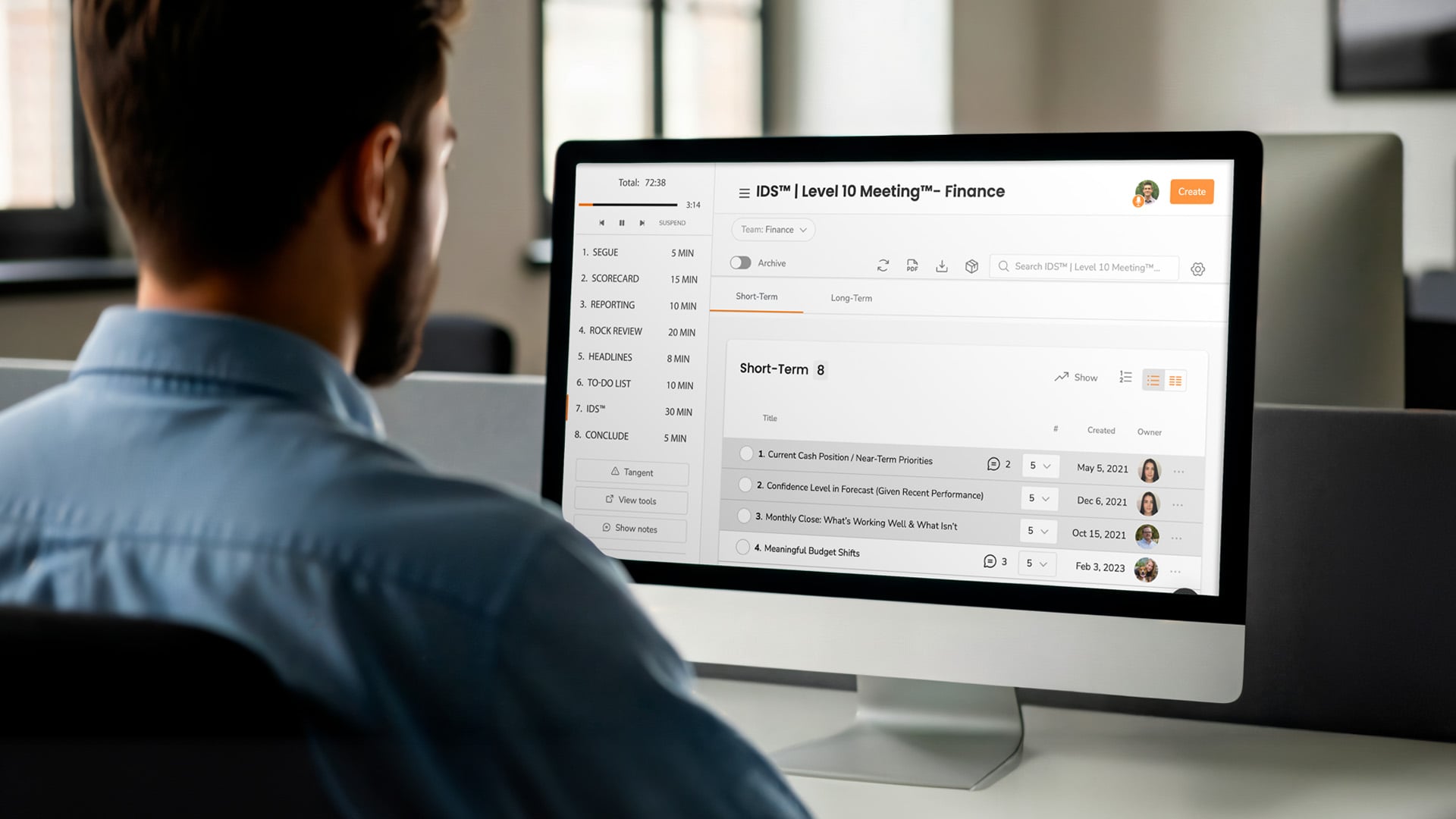
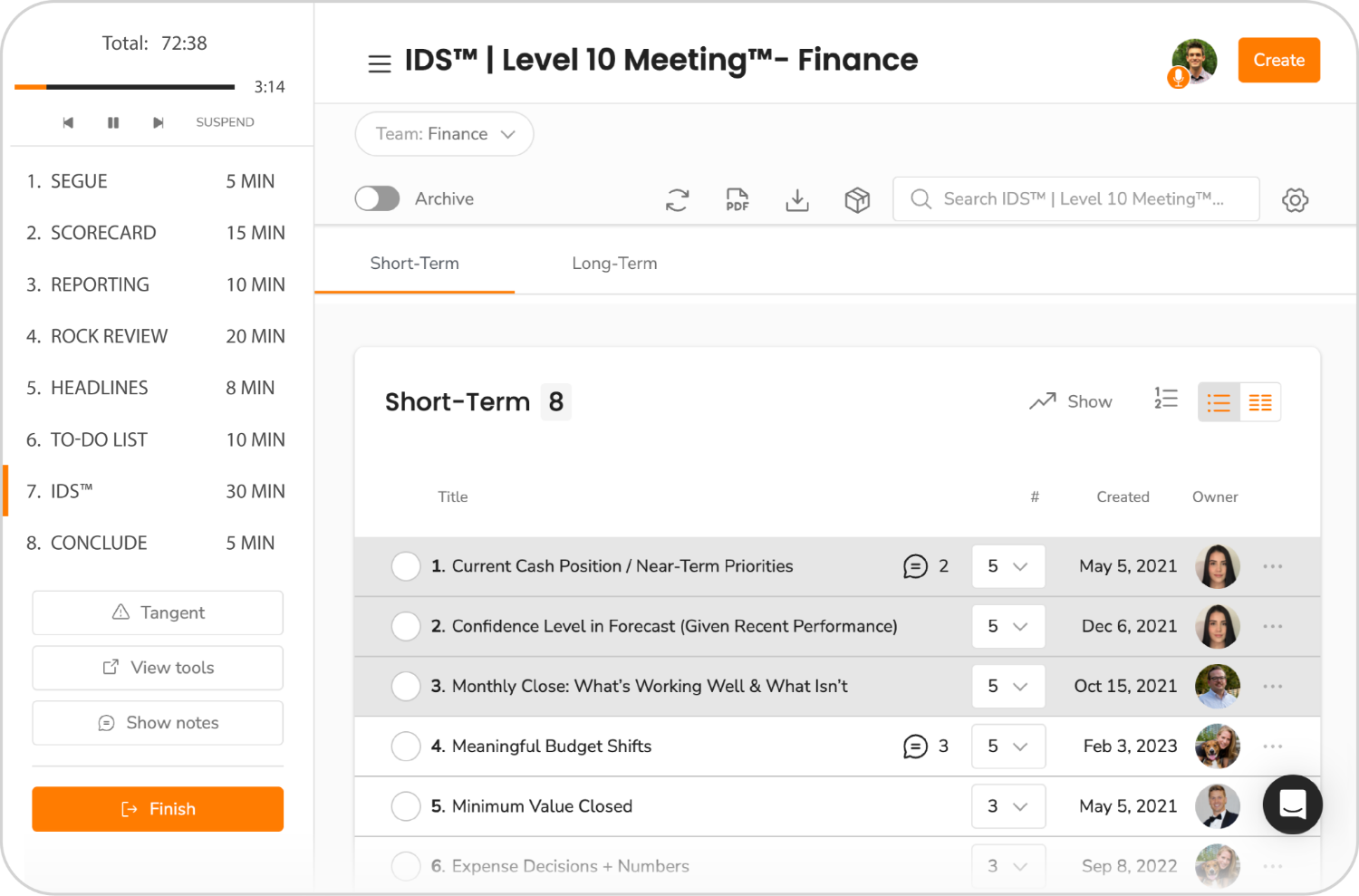
Running your meetings in Ninety can be helpful for this. The built-in agenda and timers make it easier to see where you’re spending too much time. The timers also help teams keep the early parts moving and protect the time for IDS®. Teams that pay attention stop letting the front half of the agenda eat up the whole hour and start using the meeting for what it was designed to do.
How EOS® Makes Meetings More Effective
One of the biggest strengths of EOS® is that it gives teams a practical meeting rhythm. Level 10 Meetings, IDS®, Rocks, and Scorecards work together to create more clarity, visibility, and accountability week after week.
That kind of consistency is what makes your team’s weekly meeting more effective over time. Everyone can see priorities, track issues, review numbers, and keep action items visible after the meeting ends. Instead of rebuilding the process every week, everyone is working from the same structure and the same expectations.
If your Level 10 Meetings aren’t working the way you hoped they would, that doesn’t mean the format is broken. More often, it means your team needs to tighten up how they’re using the format. Work on protecting IDS®, keeping the early parts of the agenda moving, making sure the right issues are getting captured, and holding the team to the Level 10 Meeting structure instead of treating it like a suggestion.
That’s also where Ninety can help. Meetings get harder to run when the conversation happens in one place and the follow-through lives somewhere else. Ninety gives teams one home for the core pieces that support the business, including the meeting itself, the Issues List, Rocks, and the Scorecard. That way, everything the team needs is easy to access before, during, and after the meeting.
Software by itself can’t fix weak meeting habits. But having a platform like Ninety that supports the structure and keeps the work connected makes it much easier to run effective Level 10 Meetings week after week.
Run a Better Level 10 Meeting This Week
Effective Level 10 Meetings aren’t built on good intentions alone. They come from discipline, consistency, and a team that’s willing to use the format the way it was designed.
You don’t need a completely different team or a complicated new process to get more value from your Level 10 Meetings. You need a clearer understanding of the purpose, stronger discipline around the agenda, and better protection for the part of the meeting where the real work happens.
Start with one meeting this week. Tighten the purpose. Keep the reporting sections moving. Protect the time for IDS®. And end with clear ownership and next steps. Then come back the following week and do it again.
That’s how teams build a Level 10 Meeting rhythm people value and trust. And once that becomes a habit, the weekly meeting starts doing what it was meant to do: create clarity, accountability, and Traction® week after week.
If your Level 10 Meetings aren’t creating the clarity and accountability they should, Meetings Kinda Suck offers a deeper look at how to make them work better week after week.
Ready to make your meetings worth the time they take? Ninety gives your team one place to run the meeting, track what matters, and keep accountability clear from one week to the next. Try it now.