I still remember the first time I sat down for a 1-on-1 with a CEO early in my career.
It wasn’t in my current role (it was a former company), but I’ve never forgotten it.
The office had just been renovated. New conference tables, new chairs, everything felt polished and important. I was sitting right outside the door waiting to be called in, feeling a mix of excitement and, if I’m honest, a little overconfident. I was reporting directly to the boss of bosses.
In my mind, this was it. This was the person who was going to develop me, coach me, and help shape my career. She had business coaching in her blood. I expected her to walk in and take full control of the conversation.
So I walked in ready to, well, react. But that’s not what happened.
Instead she sat down and started asking me what I needed. What was blocking me? What did I want to talk about? And I had… nothing.
No agenda. No notes. No clear direction. Just a lot of awkward silence and me scrambling to come up with something on the spot. It was obvious pretty quickly that this meeting wasn’t going well.
She ended up driving most of the conversation, but the message afterward was clear: This wasn’t how these meetings were supposed to work. If I was going to meet with her again, I needed to come prepared and be ready to drive the agenda myself.
I walked out of that meeting frustrated, a little embarrassed, and honestly a bit shaken. It felt like I had wasted both of our time, and when you’re sitting across from someone like that, you don’t take that lightly. That moment stuck with me.
The Problem With My 1-on-1 Meeting Prep
After that meeting, I made a commitment to never show up to a 1-on-1 unprepared again. And to be fair, I didn’t. But my “system” wasn’t exactly a system.
I’d jot things down on sticky notes. Scribble reminders in a notebook. Try to remember things throughout the week and then piece them together 30 minutes before a meeting. Sometimes I’d forget what I even meant by a note because there was no context, or worse, I couldn’t even read my own handwriting.
Even when I did prepare, it felt scattered. Nothing lived in one place. And more importantly, nothing was easily shareable with the person I was meeting with.
That meant we still spent time figuring out what to talk about instead of actually solving problems. It was better than going in blind, but it still wasn’t very effective, and it definitely wasn’t the best use of anyone’s time.
A Better Way to Prepare for 1-on-1 Meetings
What changed everything for me was moving from event-based preparation to continuous preparation using Ninety.
Instead of trying to prepare right before a meeting, I started preparing throughout the week.
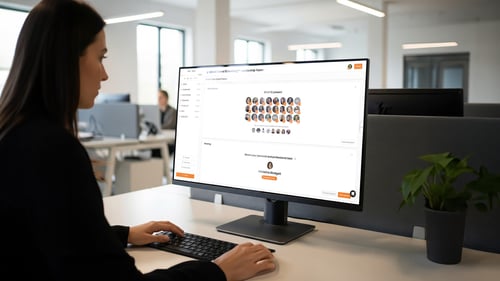
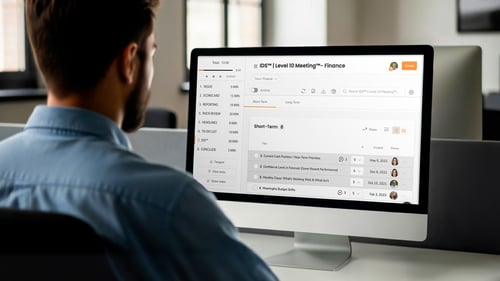
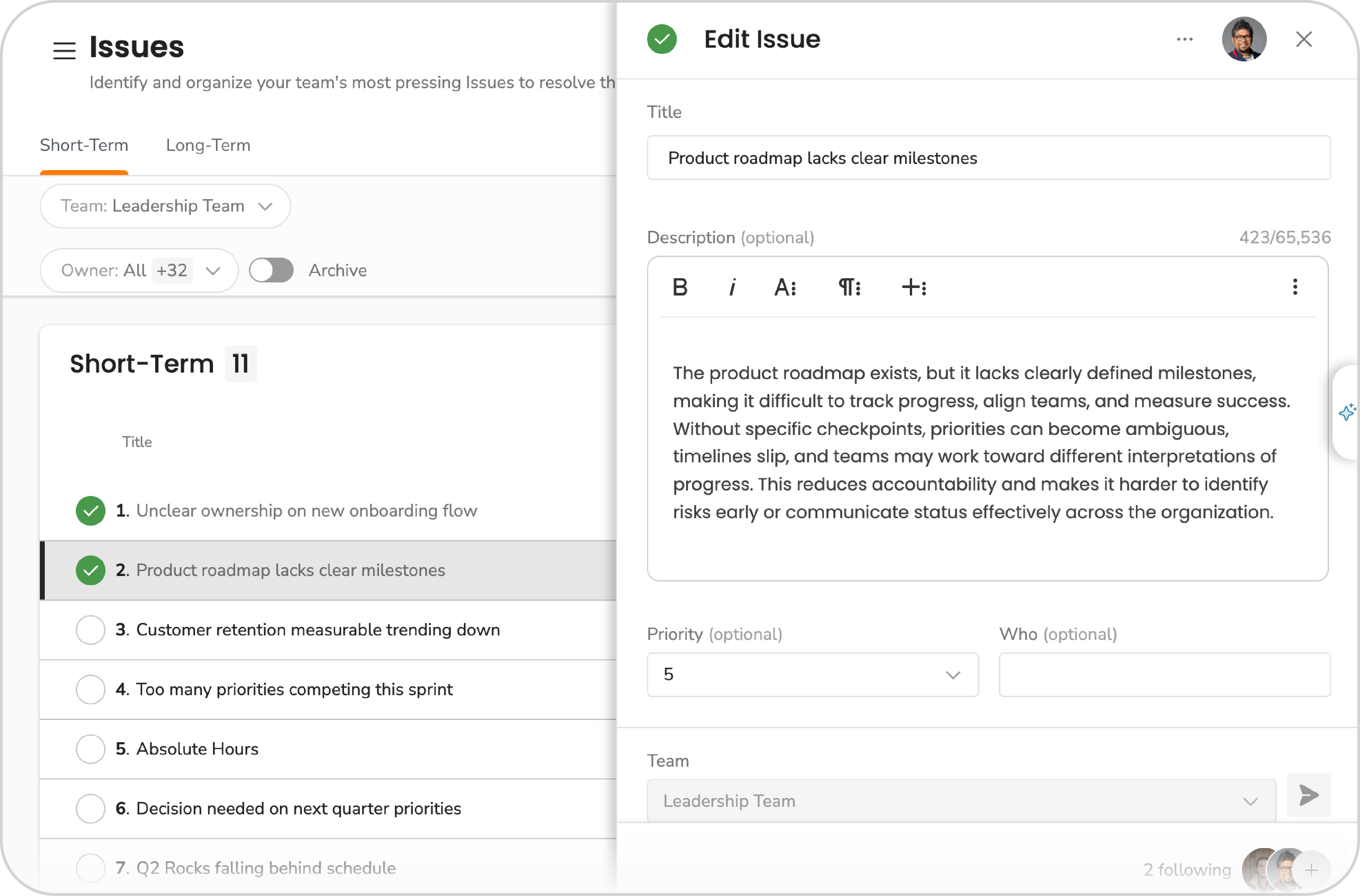
Now, anytime something comes up, whether it’s a blocker, a question, or an idea, I immediately log it as an Issue in Ninety. I add context in the description so I don’t lose the “why” behind it.
By the time my 1-on-1 rolls around, I don’t need to waste time thinking about what I’m going to talk about. My agenda has already been built in real time.
There’s no more scrambling, guessing, or wasted time. Just a clean, organized list of what actually matters.
How I Run 1-on-1s Now Using EOS® Tools
Today, my 1-on-1s look a lot more like a scaled-down Level 10 Meeting®.
We open up Ninety together and look directly at our Issues list. From there:
-
We prioritize what matters most.
-
We talk through each issue.
-
We either solve it on the spot or convert it into a To-Do with a clear owner and timeline.
That’s it. There’s no more “What should we talk about today?” conversation anymore. Nobody’s dominating the conversation, and no one’s reacting. We’re executing.
And because everything is documented and visible inside Ninety:
-
Nothing falls through the cracks.
-
Both of us are aligned.
-
Accountability is clear.
It’s simple, but it’s incredibly effective.
The Habits That Improved Every Meeting
What started as a way to fix my 1-on-1s has completely changed how I approach meetings in general.
For every meeting I’m a part of, I now default to:
-
Capturing issues in real time
-
Driving toward resolution
-
Turning conversations into actionable To-Dos
And since I’ve made those changes, meetings feel more focused, decisive, and valuable. And maybe most importantly, there’s a new level of trust that comes with it. When I show up to a meeting now, there’s an understanding: We’re going to use this time well.
How to Have Better 1-on-1s Today
If you’re struggling with unproductive 1-on-1s or meetings in general, here are a few simple rules that made the biggest difference for me:
-
Don’t wait until right before the meeting to prepare: Capture issues as they happen so your agenda builds itself.
-
If it’s not written down, it doesn’t exist: Relying on memory is a great way to miss what actually matters.
-
Your 1-on-1 is your meeting to lead: Don’t expect your manager to drive it. Come in ready.
-
Always work from a shared list: Visibility creates alignment and better conversations.
-
Every issue should lead to clarity: Either solve it or turn it into a To-Do with clear ownership.
Better Preparation Builds Confidence
There’s a quote I’ve always believed in:
“If ye are prepared, ye shall not fear.”
That first meeting with that CEO? I definitely felt the fear.
Now, I don’t. Not because meetings got easier, but because I got more prepared.
Using EOS tools in Ninety gave me a system to do that consistently. And once preparation became a habit instead of a last-minute scramble, everything changed for the better.
Learn how Ninety helps teams run better 1-on-1s, solve issues faster, and create more productive meetings across the board.
Ready to try it for yourself? Start your free trial of Ninety to build better 1-on-1s, solve issues faster, and turn meetings into real progress. Try it now.