
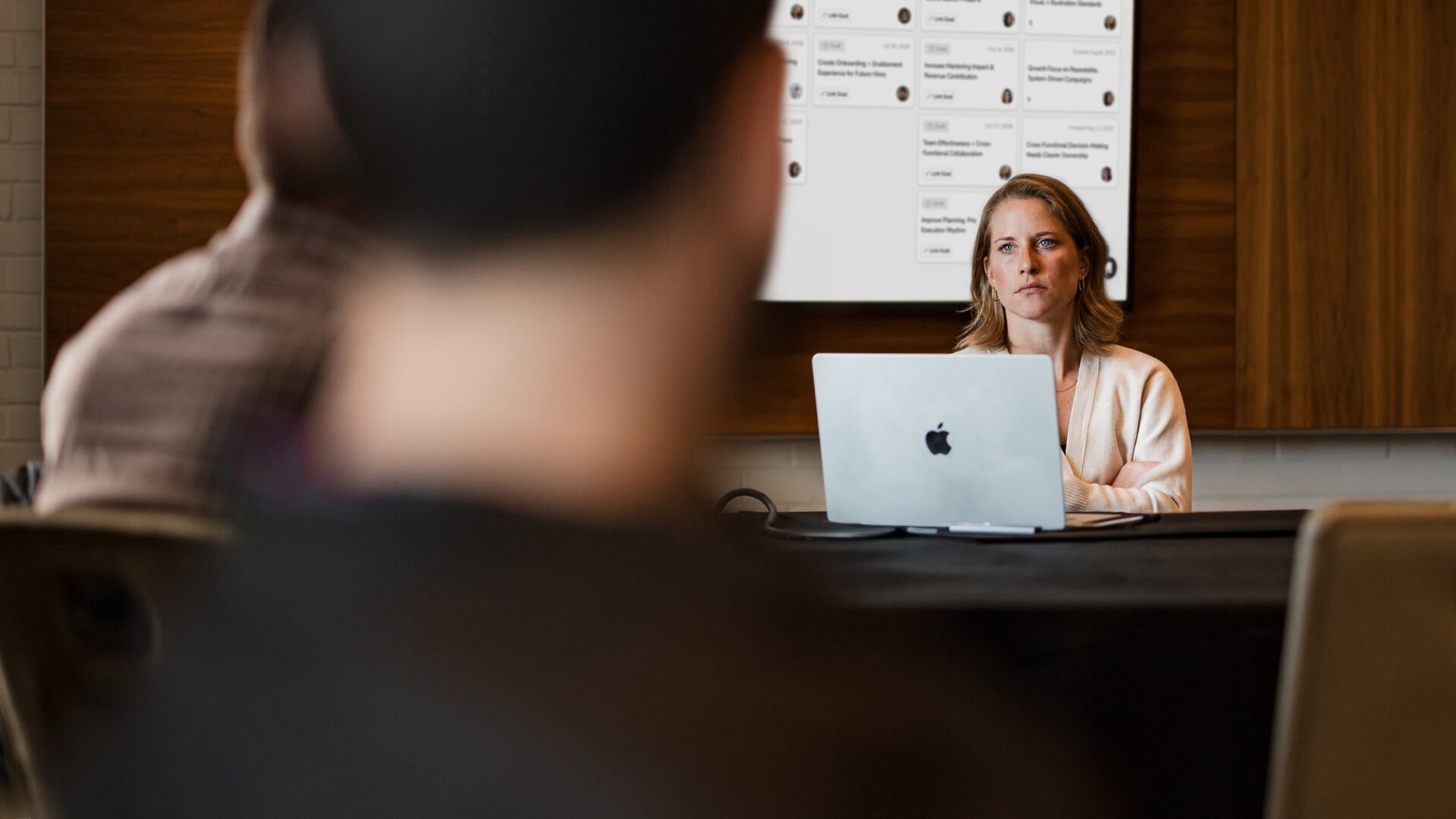

CEO Kevin Woeste was leading a strong business, a committed team, and a clear vision, yet he still felt stuck in the day-to-day work. That changed when he realized the company's growth wasn’t being limited by his team’s effort or ideas, but by how much the business still depended on him. That realization shows up more often than most leaders expect.
Many leaders I work with start out believing growth is the hardest part of running a business. And it’s true that more revenue brings more people, more complexity, more pressure, and more responsibility, and none of that’s easy. But those challenges are rarely what slow progress. The issue shows up earlier, when leaders stay too involved in the daily execution instead of focusing on the long-term vision.
If you want your business to grow without burning yourself out in the process, your next move isn’t to add more work to your plate. It’s learning how to get out of the way in a disciplined, visible, and intentional way. Let’s talk about what that looks like.
Why Leaders Become the Bottleneck
Most leaders don’t intend to slow progress, and they rarely realize it’s happening when it starts. In many cases, they believe they’re protecting the business by staying closely involved.
The pattern usually begins with competence. The leader understands the business deeply, solves problems quickly, and carries context others don’t yet have. So when something stalls, they step in and move it forward. Early on, that approach works and feels necessary.
But as the business grows, the demands increase. There are more decisions, more projects, more people, and more interdependencies. The leader still feels responsible for outcomes, so they stay involved. They take work back when it feels unclear, correct details that don’t look right, and remain engaged in areas where their presence is no longer required.
Over time, the whole organization adapts around this behavior. Team members wait for direction instead of owning decisions, and progress becomes tied to one person’s availability rather than the strength of the system.
From the leader’s perspective, staying involved feels responsible. But from the organization’s perspective, it limits how far the business can grow.
What Actually Allows Leaders to Step Back
Leaders don’t step back just because someone tells them they should. They can only step back when they have a system that makes it possible to do so with confidence. This is where EOS® comes in, and where having the right operating system makes a real difference. For many teams, that means using a platform like Ninety to create visibility around priorities, ownership, and progress.
When priorities are clear, ownership is defined, and progress is visible, leaders no longer feel the need to stay involved in everything. They can see the work without doing the work, which changes how they lead.
Once Rocks, milestones, and a consistent meeting pulse are in place, leaders gain clarity and visibility. Instead of wondering whether something’s getting done, they can look at the system and know. Instead of chasing down updates, they can trust the process and focus on what matters most.
Delegation becomes sustainable when accountability is clear, progress is visible, and issues surface early. Only then can leaders let go without losing awareness or control.
This shift often reveals how much mental energy leaders were spending worrying about things they couldn’t see. With increased visibility, that energy gets redirected toward planning, thinking, and guiding the organization forward.
.png?width=7085&height=4500&name=Rocks_Screen%20(1).png)
How to Get Out of the Way Without Disappearing
Stepping back doesn’t mean disengaging from the business. It means changing how you show up as a leader once the right system is in place.
When leaders get out of the way effectively, they stop being the primary problem-solver and start creating the conditions for others to solve problems well. That shift shows up in very specific, repeatable behaviors.
For leaders working to make this change, these actions matter most:
- When a problem is brought to you, ask what the person believes the right next step should be before offering your perspective.
- When a decision feels stuck, determine whether your involvement is truly required or whether clarity, authority, or timing is the real issue.
- When work isn’t being done the way you would approach it, assess whether the outcome truly matters or whether personal preference is driving the discomfort.
- When someone owns a priority, resist the urge to check in outside the agreed meeting pulse unless a real issue surfaces.
- After delegating responsibility, ask what support or context would be most helpful rather than taking the task back.
This shift can feel uncomfortable at first, especially for leaders with high standards and strong instincts. Teams won’t always approach problems the same way you would, and they’ll learn through experience rather than instruction.
But here’s the truth: Leaders who stay too close to the work limit their team’s ability to build confidence and judgment. By stepping back, you’ll create space for others to grow.
Remember, leadership isn’t about being the smartest person in the room. It’s about building a room full of capable leaders who don’t depend on you for every answer.
What This Shift Makes Possible
Growth doesn’t stall because teams lack ambition, ideas, or effort. It stalls when leadership doesn’t evolve as the business does. What worked when the company was smaller often becomes the very thing that limits progress at the next stage.
Getting out of the way isn’t about doing less or caring less. It’s about leading differently. It means trusting the structure you’ve built, trusting the people you’ve put in place, and shifting your energy from execution to direction. EOS gives leaders a way to do that without losing visibility or accountability.
This was the turning point for Woeste. Once he stopped being the default problem-solver, his leadership team stepped up in ways they hadn’t before. Ownership became clearer, decisions moved without waiting on him, and his role shifted from fixing issues to removing obstacles. The business didn’t lose momentum when he stepped back. It gained it.
If your business feels like it’s hitting a ceiling, the next step may not be another initiative or another push for effort. It may be the decision to step back intentionally, create space for others to lead, and allow the system to do what it was designed to do.
If you want to hear this leadership shift come to life, listen to the full conversation on the Impact Moments podcast, where we unpack what it actually looked like in practice and what changed once the system was in place.


.jpg?width=500&name=large_Leadership_Habit_EOS_Blog_Header_1920_x_1080%20(1).jpg)
