
If your team sets ambitious quarterly goals but struggles to keep them visible after planning ends, the right goal tracking software can make the difference between consistent execution and forgotten priorities.
Goal tracking software has evolved from simple task lists into leadership execution platforms. The best solutions don't just record objectives. They connect planning, accountability, meetings, and measurable progress so leadership teams can adjust before goals fall behind.
Visibility without accountability creates reporting. Accountability without visibility creates surprises. Effective goal tracking software connects both.
For most growing leadership teams, Ninety is our top recommendation because it connects quarterly priorities, weekly meetings, scorecards, and accountability in one platform. Rather than asking teams to manage goals in one system, meetings in another, and reporting somewhere else, Ninety brings those workflows together so goals stay connected to execution.
That doesn't mean it's the right fit for everyone.
Some organizations need goal tracking inside their existing project management software. Others prioritize Microsoft integrations, unlimited-seat pricing, or HR performance management. This guide compares 10 of the best goal-tracking platforms available today to help you choose the one that is the best fit for your company.
Questions to ask before choosing goal tracking software
-
Who owns each goal?
-
How often are goals reviewed?
-
Does the software connect to meetings?
-
Can goals roll into quarterly planning?
-
Does everyone see the same priorities?
-
Is reporting automatic?
-
Can executives identify stalled work quickly?
At a Glance
If your leadership team wants one platform that combines planning, accountability, meetings, and measurable progress, Ninety offers the most complete solution in this comparison.
If you're already invested in another ecosystem, a more specialized platform may be a better fit.
What Is Goal Tracking Software?
Goal tracking software helps organizations define, monitor, and achieve strategic priorities. Unlike spreadsheets or static planning documents, it gives leadership teams a shared, real-time view of progress so priorities remain visible long after planning sessions end.
At its best, goal tracking software does more than display progress bars. It creates a consistent operating rhythm that helps teams revisit priorities, identify obstacles, and make better decisions before problems become missed objectives.
While every platform approaches this differently, most goal-tracking software includes:
-
Goal and objective management
-
Progress tracking
-
Dashboards and reporting
-
Individual ownership
-
Team visibility
-
Status updates
The most effective platforms go a step further by connecting goals to the meetings, metrics, and accountability systems leaders already use. Rather than becoming another application employees have to remember to update, the software becomes part of the team's regular operating rhythm.
What makes goal tracking software effective?
Choosing goal tracking software isn't about finding the platform with the longest feature list. It's about finding one that helps your team consistently execute on its priorities.
To compare these platforms fairly, we evaluated each one across seven areas that matter most for growing organizations:
-
Ease of adoption
Can leadership teams begin using the software quickly without extensive implementation or training?
-
Goal visibility
Does the platform keep priorities visible throughout the quarter, or do they disappear after planning?
-
Accountability
Can every goal have a single owner with clear responsibility for progress?
-
Meeting integration
Does goal tracking naturally fit into recurring leadership meetings, or is it a standalone dashboard people have to remember to open?
-
Reporting
Can leaders quickly understand progress without manually gathering updates?
-
Scalability
Will the platform continue supporting the organization as it grows?
-
Overall value
Does the software provide enough capability to justify its cost compared with alternatives?
Which Goal Tracking Software is Right for My Business?
If you're looking for the best goal tracking software in 2026, here are our top recommendations based on different business needs:
| Best For | Recommended Platform |
| Overall leadership teams | |
| EOS® teams using Microsoft | Strety |
| HR-Led Organizations | PeopleGoal |
| VC-backed startups | Peak OS |
| Existing monday.com with light goal tracking needs | monday work management |
| Existing Asana users with light goal tracking needs | Asana Goals |
| HR-led organizations | Lattice |
| Weekly OKR check-ins | Weekdone |
| Strategy mapping | Perdoo |
| Automated at-risk alerts | ShiftFocus |
The 10 Best Goal Tracking Platforms
1. Ninety
Best for: Growing leadership teams that want one platform for goals, meetings, accountability, and execution.
Why We Picked It
Many goal-tracking tools answer one question:
"Where do our goals live?"
Ninety answers a different one:
"How do we make sure our goals actually get accomplished?"
That's an important distinction.
Most leadership teams don't struggle to create quarterly priorities. They struggle to keep those priorities connected to the work happening every week.
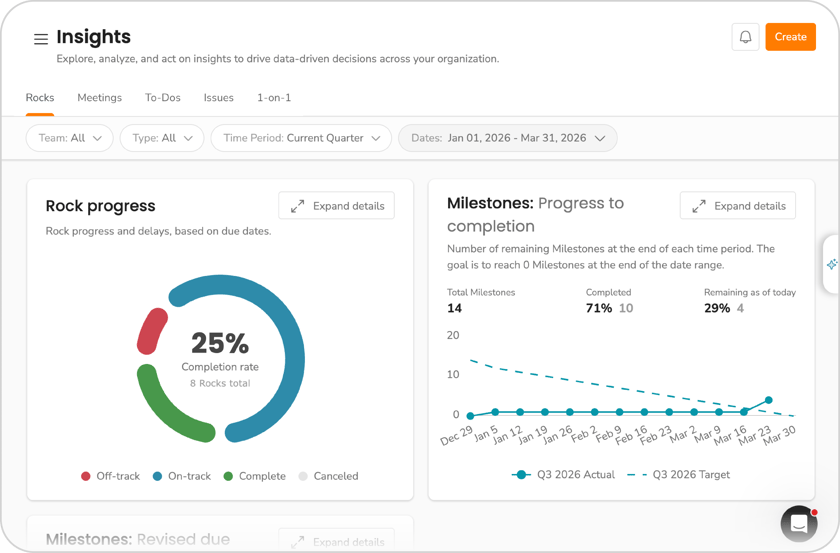
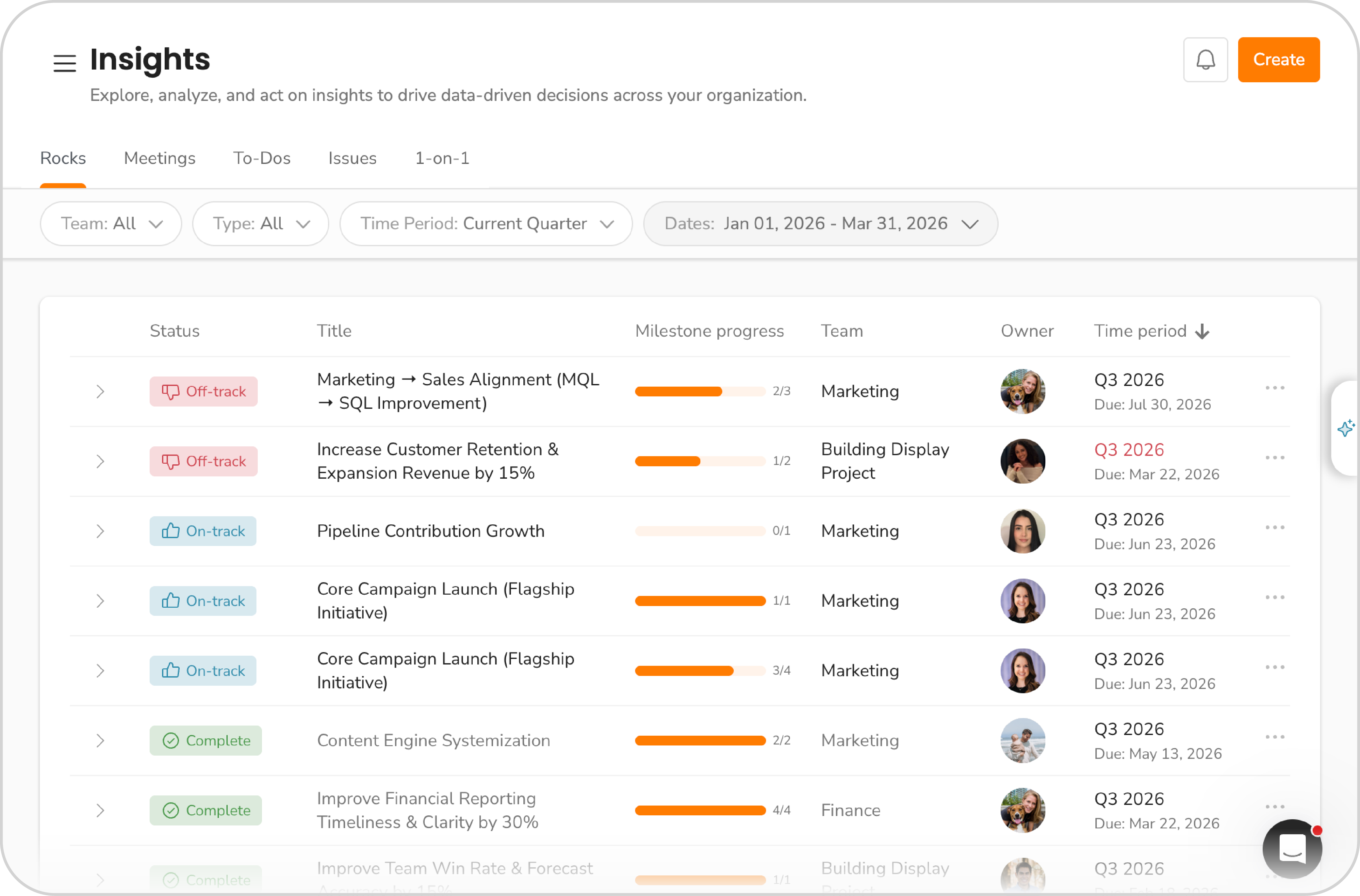
Ninety closes that gap by bringing quarterly planning, weekly meeting rhythms, live scorecards, and clear accountability into one operating system. Instead of checking on priorities only during quarterly planning sessions, leadership teams review progress during the meetings they're already running, making it much easier to identify stalled work before it becomes a missed quarter.
Key Strengths
Unlike traditional goal trackers, Ninety treats goals as part of a broader operating rhythm.
Quarterly priorities, called Rocks, connect directly to:
Because each Rock has one clearly identified owner, accountability stays simple and visible throughout the organization. Rather than wondering who owns an initiative, leadership can quickly see who's responsible and how progress is tracking.
This connected approach reflects Ninety's broader philosophy that execution improves when vision, priorities, meetings, and data all work together instead of living in separate applications.
Additionally, Ninety comes with AI capabilities called Ask Maz that gives you instant answers to questions that help you reach your goals, like, Are we on track? Are there gaps in our Rocks? How can I make these Rocks [goals] SMART?
Why Leadership Teams Choose Ninety
Organizations evaluating goal tracking software often discover they aren't actually looking for another dashboard.
They're looking for:
-
Better weekly accountability
-
More productive leadership meetings
-
Clear ownership
-
Faster decision-making
-
Greater organizational alignment
Ninety helps address those needs by integrating planning and execution into the same platform instead of requiring multiple disconnected tools.
Potential Drawbacks
Very large teams looking for deeply nested enterprise OKR frameworks with multiple levels of cascading key results may find platforms designed specifically for enterprise OKRs more appropriate.
Likewise, organizations wanting only a lightweight checklist without structured meetings or accountability may find Ninety more robust than they need.
Pricing
Free plan available; paid tiers offer the full operating system.
Ideal Team
Growing organizations, typically between 10 and 250 employees, that want to connect quarterly planning with weekly execution rather than managing those activities separately.
2. Strety
Best for: EOS® teams standardized on Microsoft 365.
Why We Picked It
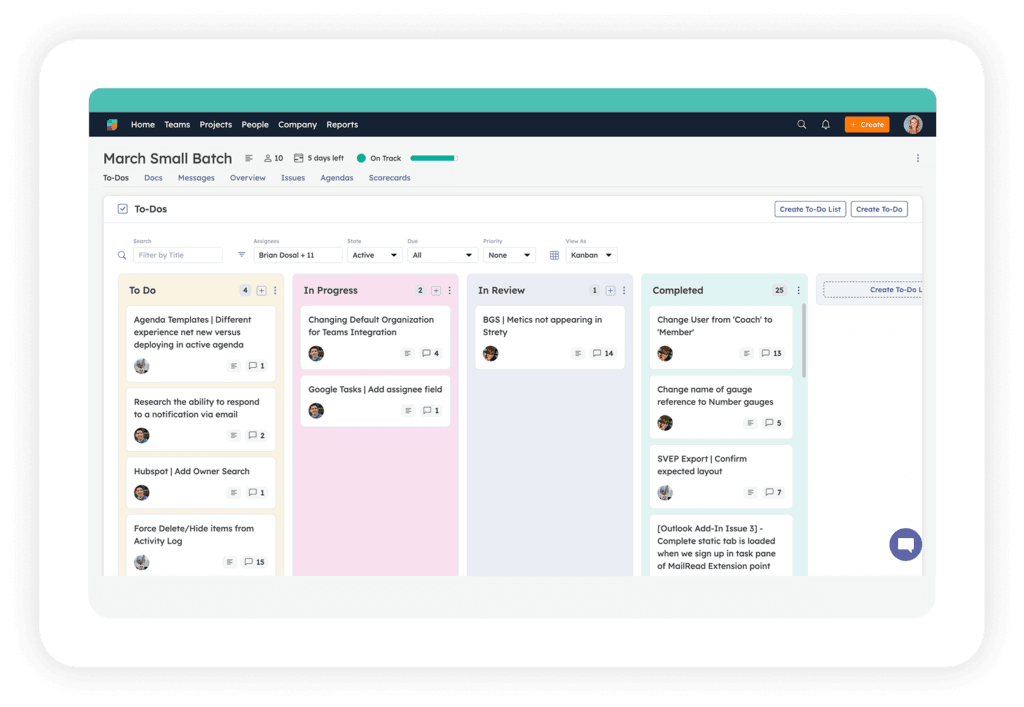
Strety focuses on organizations already running EOS® and primarily works within Microsoft Teams and Outlook.
Instead of asking users to switch between collaboration platforms, Strety integrates core EOS® tools directly into Microsoft's ecosystem, making it an attractive choice for organizations committed to Microsoft 365.
Key Strengths
Strety includes many familiar EOS® tools, including:
-
Rocks
-
Scorecards
-
Accountability Chart
-
Vision/Traction Organizer® (V/TO®)
-
Level 10 Meeting agendas
-
One-on-one meetings
Its strongest differentiator is deep Microsoft Teams integration, allowing leadership teams to manage much of their operating rhythm without leaving Microsoft's environment.
Potential Drawbacks
Organizations outside the Microsoft ecosystem won't benefit as much from Strety's primary advantage.
It also places greater emphasis on EOS® execution than broader organizational reporting or cross-functional planning.
Pricing
30-day free trial.
Ideal Team
Organizations already committed to Microsoft Teams that want EOS® software closely integrated with their existing collaboration tools.
3. Peak OS (Collective Genius)
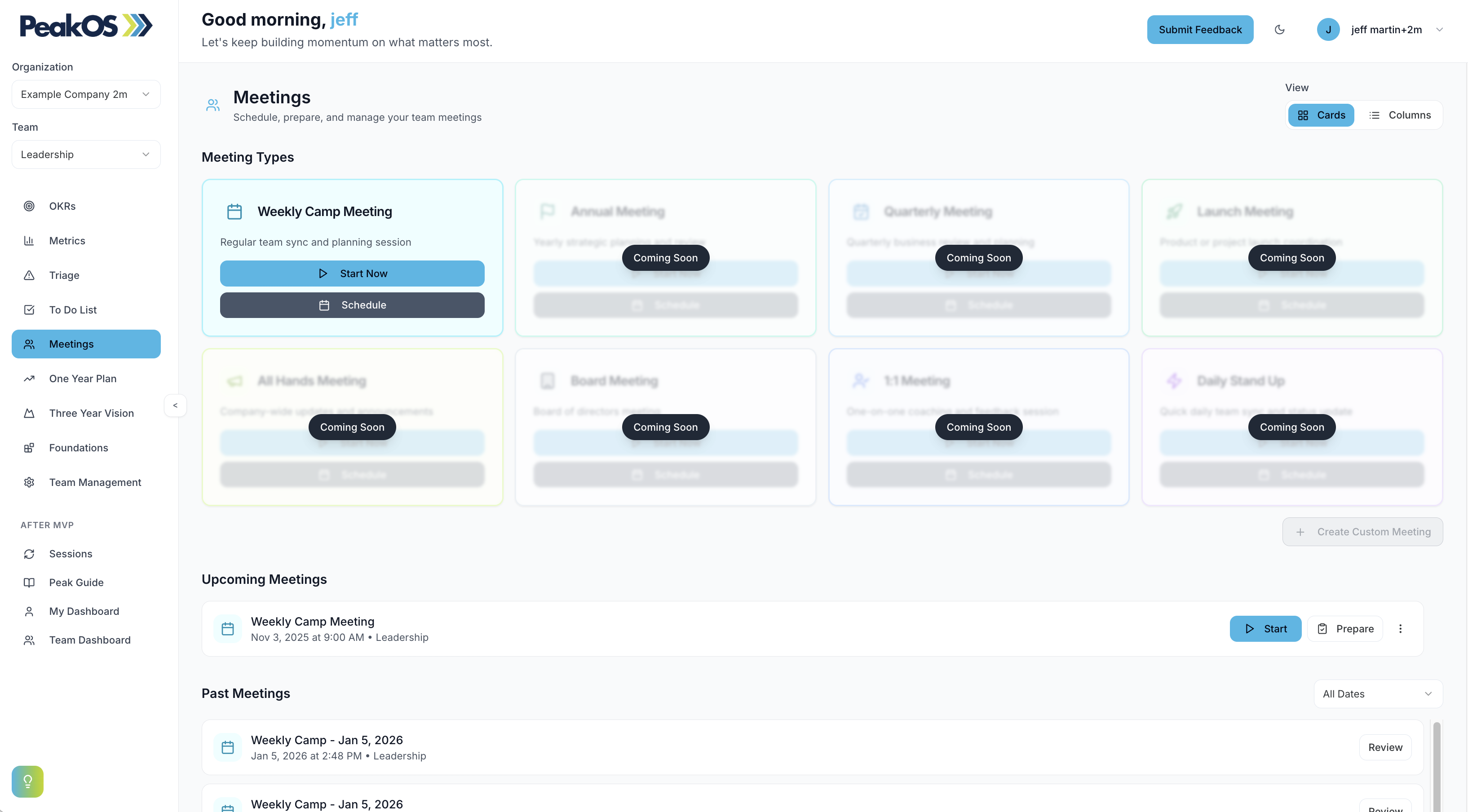
Best for: Venture-backed organizations that want coaching alongside software.
Why We Picked It
Most software companies sell subscriptions.
Peak OS sells an implementation experience.
Rather than providing a self-service platform, Collective Genius pairs software with coaching designed to help leadership teams establish consistent planning and execution habits.
For venture-backed organizations growing rapidly, that additional guidance can accelerate adoption and improve consistency.
Key Strengths
Peak OS combines:
-
Goal planning
-
Quarterly planning support
-
Team alignment
-
Leadership coaching
-
Execution tracking
The bundled coaching model distinguishes it from nearly every other platform in this comparison.
Potential Drawbacks
Organizations looking for self-service software may find the coaching-first model unnecessary.
Pricing isn't publicly available, and implementation typically begins through a sales engagement rather than a free trial.
Pricing
Contact Collective Genius directly.
Ideal Team
High-growth companies that value expert facilitation as much as the software itself.
4. ShiftFocus
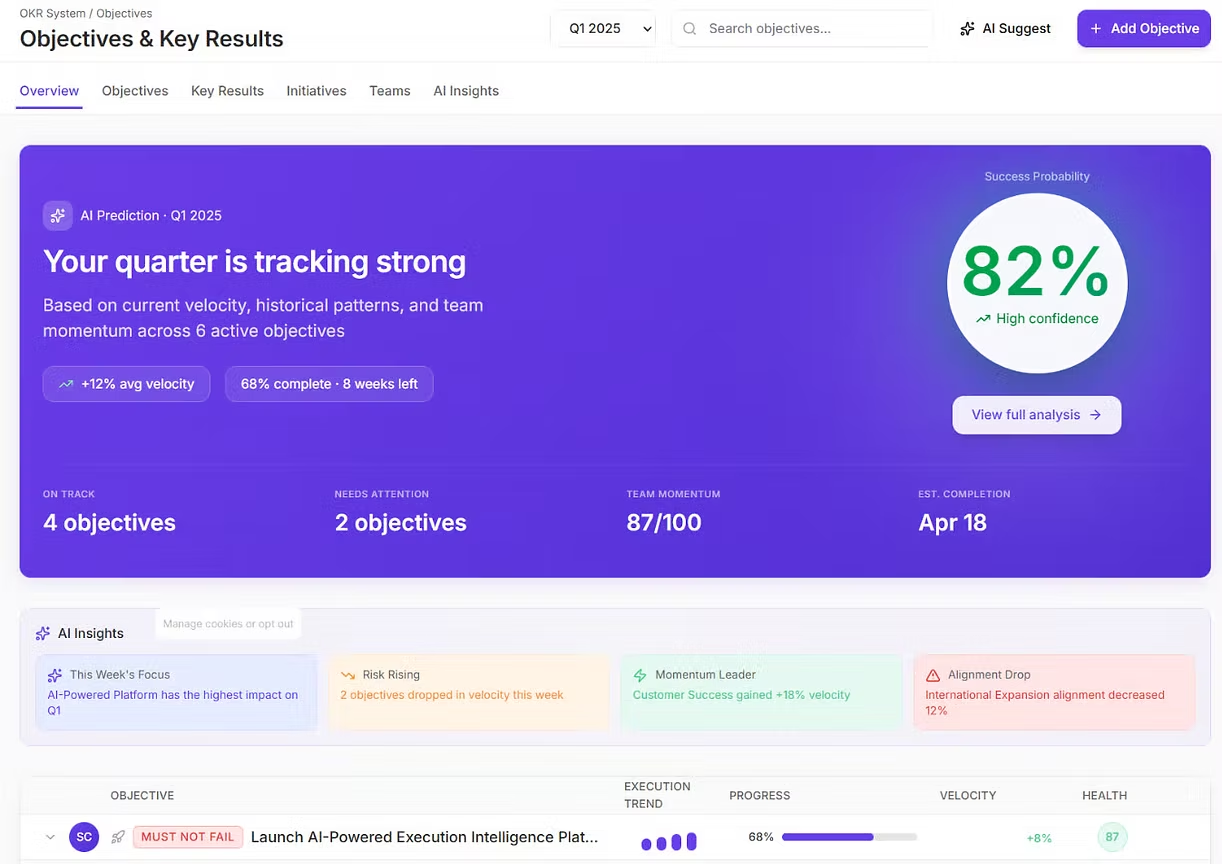
Best for: Leadership teams that want proactive alerts when priorities start slipping.
Why We Picked It
Many teams don't discover a problem until they sit down for their weekly meeting. By then, a delayed project or missed commitment may already be affecting the rest of the quarter.
ShiftFocus takes a different approach by monitoring progress between meetings and automatically flagging Rocks or goals that appear to be at risk. Rather than waiting for someone to report an issue, leaders receive early signals that something needs attention.
For organizations that already have a strong operating rhythm, these automated alerts can provide another layer of visibility without creating additional administrative work.
Key Strengths
ShiftFocus includes:
-
Rock and quarterly goal tracking
-
Automated at-risk alerts
-
EOS®-style meeting support
-
Scorecards
-
Optional Fractional Integrator services
Its strongest differentiator is the automated monitoring of priorities, helping leadership teams focus their conversations where they can have the greatest impact.
Potential Drawbacks
ShiftFocus is a newer platform than many others in this comparison, so it has a smaller user community and a more focused feature set.
Organizations looking for one platform that combines planning, execution, meetings, reporting, and broader organizational management may find more comprehensive options elsewhere.
Pricing
Contact ShiftFocus directly for current pricing and trial information.
Ideal Team
Organizations that already have a structured operating rhythm and want earlier visibility into priorities that may be falling behind.
5. PeopleGoal
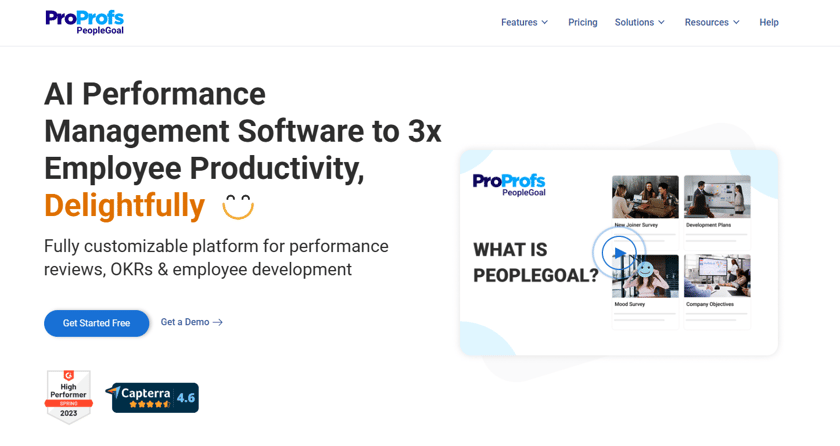
Best for: HR-led organizations that want customizable goal tracking connected to performance management.
Why We Picked It
PeopleGoal allows organizations to create goal frameworks based on OKRs, SMART goals, or their own internal methodology.
The platform connects goals with performance reviews, 360-degree feedback, one-on-one meetings, and engagement surveys. This gives HR teams a centralized way to track progress and incorporate goal performance into regular employee development conversations.
Its flexible structure may be useful for organizations that want to adapt goal tracking to their existing performance processes rather than adopt a predefined framework.
Key Strengths
PeopleGoal includes:
- Custom OKR and SMART goal frameworks
- 360-degree feedback
- Customizable performance review cycles
- One-on-one meetings and continuous feedback
- Engagement and pulse surveys
- Slack and HRIS integrations
The platform’s main distinction is its combination of customizable goal frameworks with broader employee performance and feedback tools.
Potential Drawbacks
Building a customized framework may require more initial setup than using a tool with a fixed goal-tracking structure.
Organizations that only need lightweight, standalone goal tracking may find its broader performance management functionality unnecessary. It may also overlap with existing HR platforms that already include performance reviews and employee feedback.
Pricing
A 14-day free trial is available. Paid plans start at $4 per user per month.
Ideal Team
Growing organizations that want to connect goal tracking with performance reviews, employee feedback, and development processes without adopting a larger enterprise platform.
6. monday work management
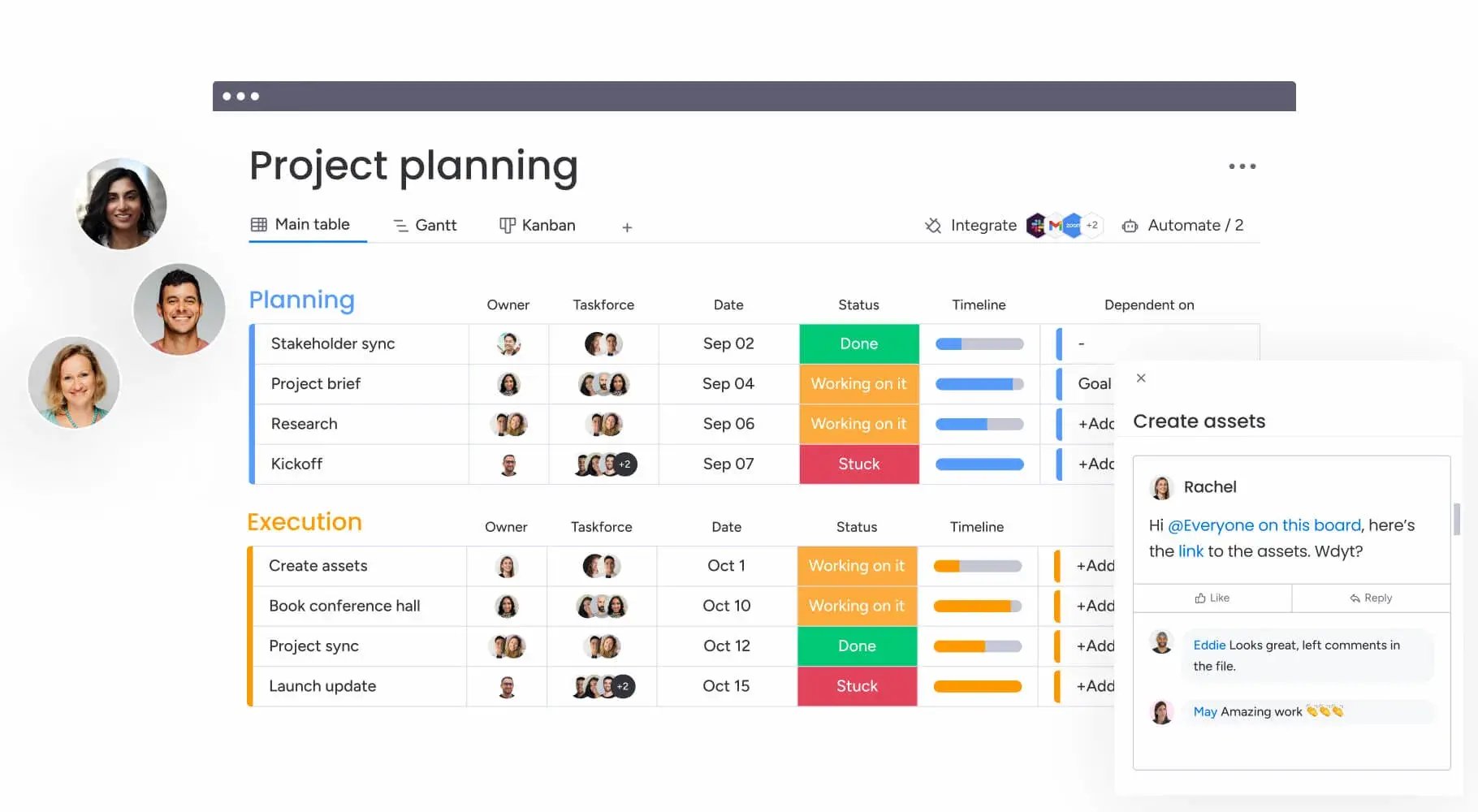
Best for: Teams already using monday.com for project management.
Why We Picked It
For organizations already managing projects in monday.com, adding another platform solely for goal tracking may create unnecessary complexity.
Instead, monday work management extends existing project boards with Goals and OKRs, allowing strategic objectives and project execution to live inside the same workspace.
That makes adoption easier because teams continue working in software they already know.
Key Strengths
monday work management offers:
-
Goals and OKRs
-
Portfolio management
-
Dashboards
-
Workload planning
-
More than 200 integrations
-
Its biggest strength is flexibility.
Organizations can connect strategic goals directly to projects, workflows, and operational reporting without switching platforms.
Potential Drawbacks
Goal tracking isn't the primary purpose of monday.com. It is first, and foremost, a project management tool.
Organizations looking for structured leadership meetings, accountability frameworks, quarterly planning, and company operating rhythms will likely need additional processes or software alongside it.
Pricing
Free plan available for small teams, with paid plans beginning at per-user pricing.
Ideal Team
Organizations already invested in monday.com that want lightweight goal management connected directly to project execution.
7. Asana Goals
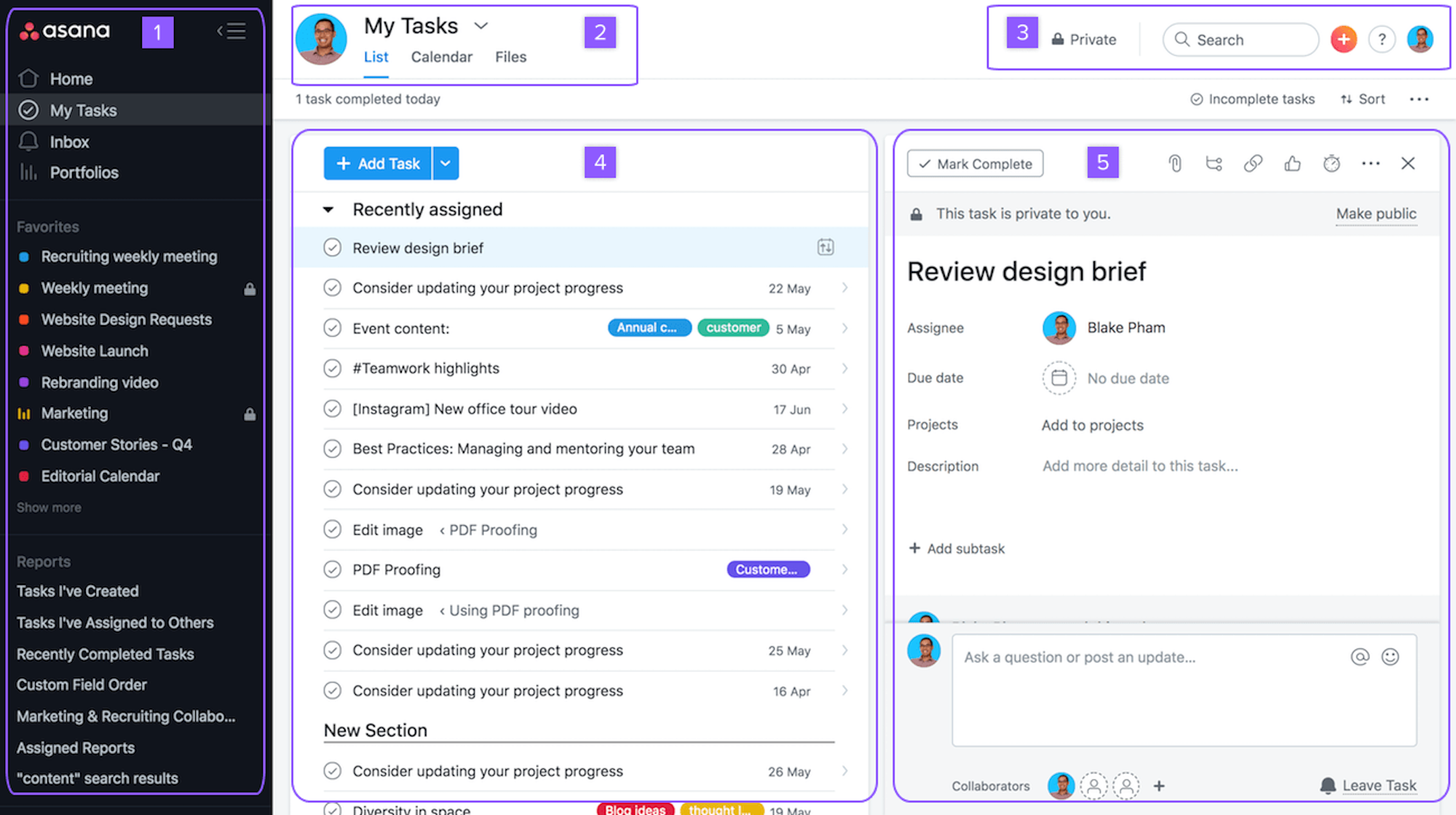
Best for: Teams that already run their work in Asana.
Why We Picked It
Like monday.com, Asana approaches goal tracking as an extension of project management rather than as a standalone leadership system.
Goals connect directly to projects and tasks, allowing progress to update automatically as work is completed.
For organizations already standardized on Asana, that simplicity is its biggest advantage.
Key Strengths
Asana Goals include:
-
Goal tracking
-
Automatic progress rollups
-
Project alignment
-
Team visibility
-
Familiar Asana workflows
Because teams continue working inside an interface they already use every day, adoption tends to be straightforward.
Potential Drawbacks
Organizations looking for quarterly planning, leadership meeting support, accountability frameworks, or company-wide operating systems may eventually outgrow Asana's goal functionality.
Its strength is project management first, strategic execution second.
Pricing
Included with Asana paid plans, with a limited free tier available.
Ideal Team
Project-centric organizations that only need lightweight goal tracking.
8. Lattice
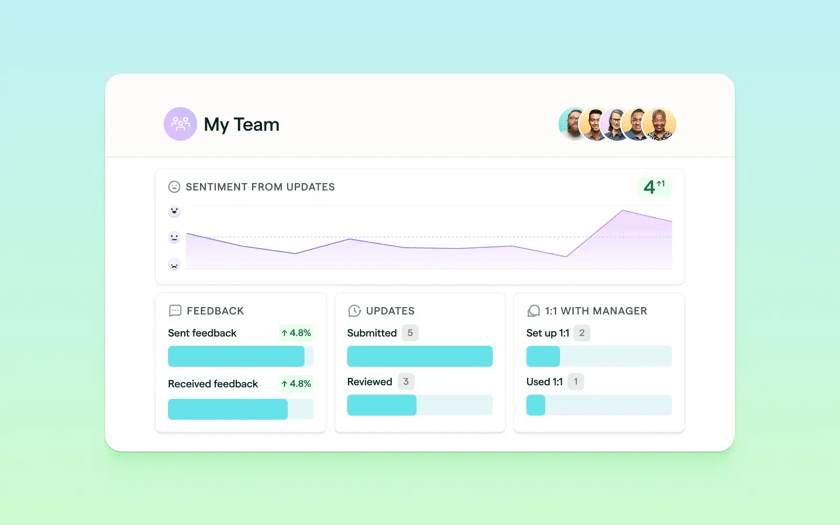
Best for: HR and People Operations teams connecting goals with employee development.
Why We Picked It
Lattice began as a performance management platform before expanding into goal tracking.
Because of that history, its greatest strength isn't quarterly planning. It's helping managers connect employee goals, feedback, one-on-one meetings, and performance reviews.
For organizations where HR owns goal-setting, that integration can be valuable.
Key Strengths
Lattice combines:
-
OKRs
-
Performance reviews
-
Employee engagement
-
Feedback
-
Career development
-
One-on-one meetings
Rather than separating employee development from business objectives, Lattice brings both conversations together.
Potential Drawbacks
Organizations focused primarily on leadership execution may find Lattice broader than necessary.
Many of its capabilities support HR programs rather than strategic planning or company operating rhythms.
Pricing
Custom pricing based on organization size and selected modules.
Ideal Team
Organizations that view goals as part of employee development rather than leadership execution.
9. Weekdone
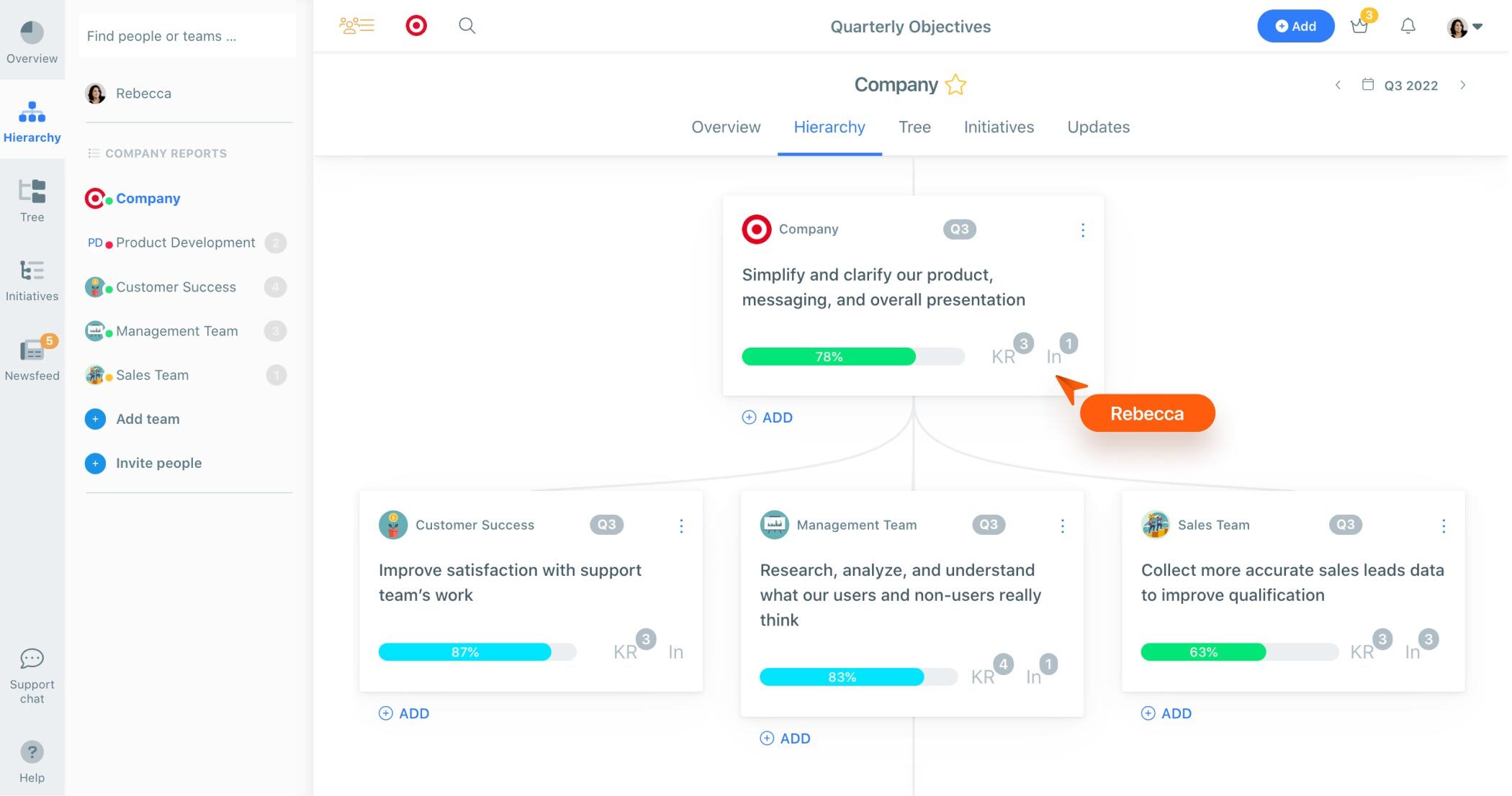
Best for: Teams building a consistent weekly check-in habit.
Why We Picked It
One of the biggest reasons goals fail is simple, nobody talks about them often enough.
Weekdone addresses that challenge by making weekly progress updates the center of its platform.
Instead of encouraging teams to check in, it builds recurring updates directly into the workflow.
Key Strengths
Weekdone offers:
-
Weekly planning
-
OKRs
-
Progress reports
-
Dashboards
-
Coaching resources
Its straightforward design helps organizations establish a regular cadence of reviewing priorities without requiring extensive implementation.
Potential Drawbacks
Beyond weekly updates and OKR management, Weekdone offers fewer capabilities than broader leadership platforms.
Organizations looking for meeting management, accountability charts, quarterly planning, or operating systems may eventually need additional software.
Pricing
Free for small teams, with paid plans based on users.
Ideal Team
Organizations introducing OKRs that want to build stronger weekly accountability habits.
10. Perdoo
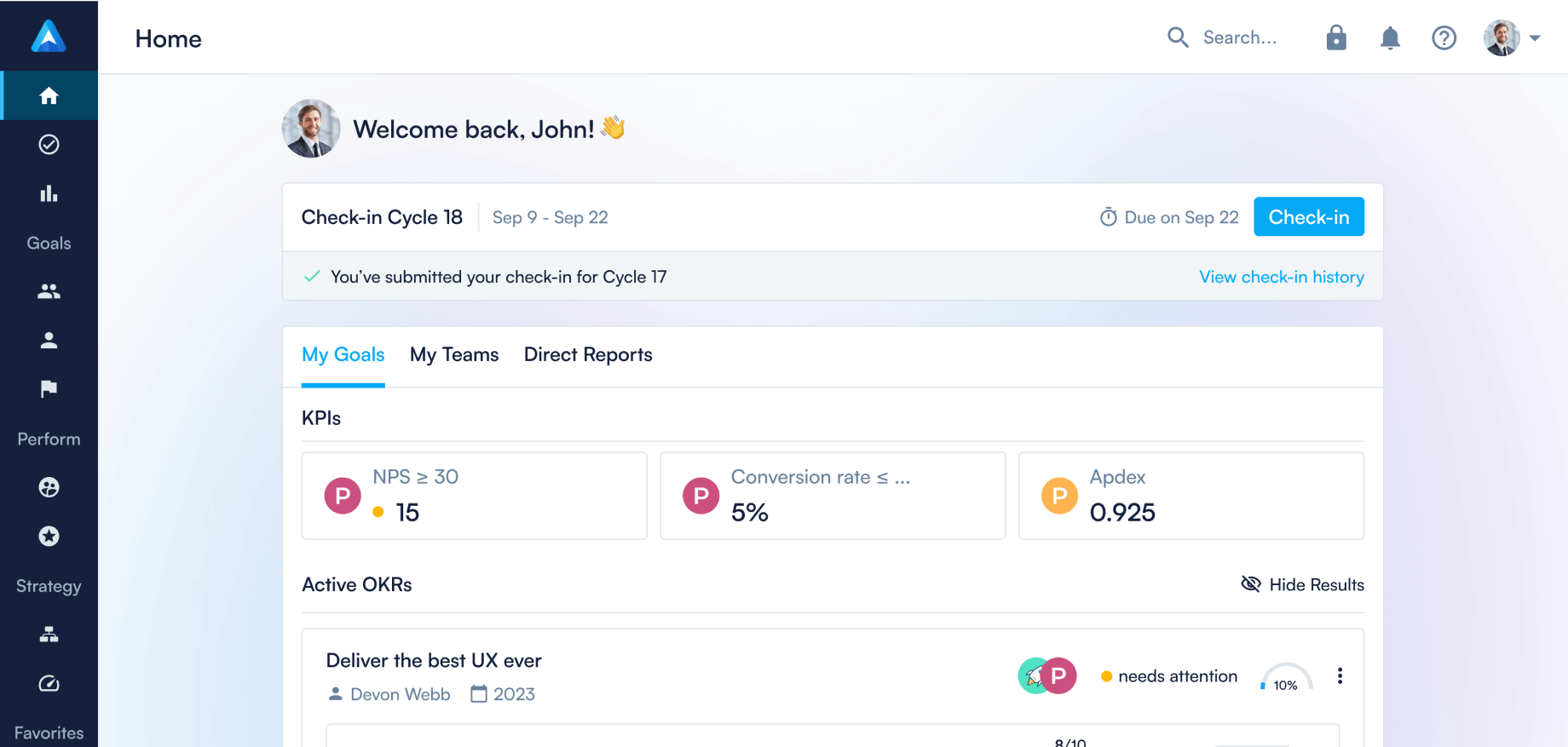
Best for: Organizations that want to connect long-term strategy with quarterly execution.
Why We Picked It
Many goal-tracking tools help teams monitor progress. Perdoo also helps explain why those goals matter.
Its visual strategy maps connect long-term objectives, KPIs, and quarterly goals, giving leaders a clear picture of how day-to-day execution supports broader business strategy.
For executive teams communicating direction across multiple departments, those visual connections can be particularly valuable.
Key Strengths
Perdoo includes:
-
Strategy maps
-
OKRs
-
KPI tracking
-
Executive dashboards
-
Planning tools
Its emphasis on visualizing strategy distinguishes it from many traditional goal-tracking platforms.
Potential Drawbacks
Perdoo focuses heavily on strategic planning.
Organizations that need recurring meeting rhythms, structured accountability, and integrated execution workflows may need to purchase additional tools to support those activities.
Pricing
Per-user pricing with enterprise plans available.
Ideal Team
Organizations that prioritize strategic planning and executive visibility over broader operating system functionality.
Goal Tracking Software vs. OKR Software
Although the terms are often used interchangeably, they aren't exactly the same.
Goal tracking software is a broad category that helps organizations monitor strategic priorities regardless of the planning framework they use.
OKR software is designed specifically around the Objectives and Key Results methodology, where ambitious objectives are measured through multiple quantitative key results.
| Goal Tracking Software | OKR Software |
| Supports multiple planning frameworks | Built specifically around OKRs |
| Often emphasizes ownership and accountability | Focuses on measurable key results |
| May include meetings, scorecards, and planning | Primarily centered on objectives and progress |
| Flexible for different operating systems | Best for organizations already committed to OKRs |
Neither approach is inherently better.
Organizations running EOS® often organize quarterly priorities as Rocks, while other companies prefer OKRs. The best software is the one that reinforces the way your leadership team already plans, reviews, and executes work rather than forcing everyone into a different methodology.
What is the difference between tracking goals and managing projects?
One of the most common misconceptions is that project management software can replace goal tracking software. While they complement one another, they solve different problems. Project management software focuses on execution. Goal tracking software focuses on outcomes.
| Project Management Software | Goal Tracking Software |
| Tasks | Priorities |
| Projects | Business outcomes |
| Deadlines | Strategic progress |
| Team workflows | Leadership visibility |
| Daily execution | Quarterly execution |
Think of it this way:
Project management software helps teams answer:
"What should we work on today?"
Goal tracking software helps leadership answer:
"Are we making meaningful progress toward what matters most this quarter?"
Some products, including monday work management and Asana, combine both capabilities. Others, like Ninety, focus on helping leadership teams connect planning, accountability, meetings, and execution rather than replacing project management altogether.
Why Goal Tracking Software Matters
Most organizations don't fail because they set poor goals. They struggle because those goals slowly disappear beneath day-to-day work.
Quarterly planning creates excitement. Teams leave aligned around a handful of priorities and a clear vision for the months ahead.
Then reality takes over.
Customer requests arrive. Internal issues demand attention. New opportunities emerge. Before long, yesterday's priorities become today's forgotten planning document. Goal-tracking software helps prevent that by providing visibility and reinforcing consistent habits.
The strongest platforms help organizations:
Keep priorities visible
Goals remain front and center rather than buried in presentation decks or spreadsheets.
Improve accountability
Clear ownership eliminates confusion around who is responsible for moving an initiative forward.
Make better decisions
Real-time visibility helps leaders identify risks earlier, allowing them to solve problems while there is still time to change the outcome.
Align teams
Everyone understands how departmental work contributes to company priorities.
Build execution habits
Regular check-ins create a rhythm of reviewing, adjusting, and solving issues rather than reacting after a quarter has already been lost.
This consistent cadence is especially important for growing organizations where complexity increases as teams expand. The more people involved, the more valuable shared visibility and accountability become.
How to Choose the Right Goal Tracking Software
Every platform in this comparison helps teams monitor goals. The right choice depends on how your organization operates.
Do you already have a leadership operating rhythm?
If your leadership team already meets weekly, reviews scorecards, and plans quarterly, look for software that strengthens those habits rather than adding another disconnected workflow.
Do you need project management or leadership management?
Some platforms are built around projects. Others are built around leadership execution. Understanding which problem you're solving makes the decision much easier.
How important is accountability?
The strongest execution cultures don't rely on shared ownership. They assign one owner for every priority. Look for software that makes ownership visible and easy to understand.
Will your organization grow?
Software that works well for ten people may not support one hundred. Consider reporting, scalability, pricing, and visibility as your organization expands.
Does the software fit your existing technology?
Organizations already standardized on Microsoft, Asana, or monday.com may benefit from platforms that integrate naturally with those environments.
Likewise, organizations committed to EOS® should evaluate how well each platform supports the planning and execution tools they already use.
Frequently Asked Questions
What is the best goal tracking software?
For most growing leadership teams, Ninety offers the most comprehensive combination of planning, accountability, meetings, and scorecards on a single platform. Organizations with more specialized needs may prefer an alternative depending on their operating model.
What is goal tracking software used for?
Goal tracking software helps organizations define strategic priorities, assign ownership, monitor progress, and improve visibility across teams.
Can small businesses use goal tracking software?
Absolutely.
In fact, many small and midsize organizations benefit the most because improved visibility and accountability help leadership teams stay aligned as they grow.
What's the difference between quarterly goals (Rocks) and OKRs?
Quarterly goals are time-bound priorities completed within approximately ninety days.
OKRs combine broader objectives with measurable key results used to evaluate success.
Both approaches can be highly effective when reviewed consistently.
Should every goal have one owner?
Yes.
While many people may contribute to a goal, assigning one accountable owner significantly improves clarity and follow-through.
Shared ownership often results in unclear accountability.
How often should leadership teams review goals?
One pattern appears across nearly every successful leadership team: goals that are reviewed weekly are significantly more likely to stay on track than goals reviewed only during quarterly planning. Visibility creates accountability, while regular discussion surfaces obstacles before they become missed commitments.
Can project management software replace goal tracking software?
Sometimes.
If your primary need is connecting goals to project work, integrated platforms like monday work management or Asana may be sufficient.
Organizations seeking broader leadership alignment, accountability, and planning typically benefit from dedicated goal tracking capabilities.
How long does implementation take?
Implementation varies by platform.
Lightweight systems can often be configured within a day.
More comprehensive leadership platforms typically require several days or weeks as teams establish new operating rhythms.
How much does goal tracking software cost?
Pricing ranges from free plans for small teams to enterprise subscriptions based on users or organization size.
Some vendors, such as MonsterOps, offer flat pricing regardless of seat count, while others charge per user.
What features matter most?
While feature requirements vary, most leadership teams benefit from software that includes:
-
Clear ownership
-
Progress reporting
-
Meeting integration
-
Dashboards
-
Accountability
-
Planning support
The best software reinforces how your organization operates rather than adding unnecessary complexity.
Final Thoughts
The best goal tracking software isn't the one with the most features. It's the one your leadership team will actually use every week.
While every platform on this list helps teams track goals, they each take a different approach. Some extend project management software, others focus on OKRs or performance management. For growing leadership teams, the real challenge is keeping quarterly priorities connected to weekly execution.
That's where Ninety stands apart. Bringing together quarterly priorities, meetings, Scorecards, accountability, and planning on one platform helps teams stay aligned and make steady progress throughout the quarter.
If you're evaluating goal tracking software, start with the habits you want to strengthen. The right platform should make planning, accountability, and execution easier, not more complex.
Ready to see it in action? Start a free trial of Ninety. If you're already using Ninety, review your Rocks, Scorecards, and meeting rhythm to keep your priorities visible from planning through completion.