
A lot of leadership teams struggle to make good decisions as a group, and it’s not because they aren’t smart or because the data isn’t available. In most cases, the information exists and the leaders in the room are more than capable of understanding it. The challenge is that reaching real clarity takes time, and too many teams push for a decision before they’ve fully understood the issue.
Great leadership teams tackle decision-making differently. Instead of rushing to agreement, they stay with the conversation long enough to examine the problem from multiple angles. Someone references the Scorecard. Another leader adds context from their department. A third person connects the discussion to a recent customer experience or operational challenge. A fourth talks about the cultural implications. For a while, it may feel like the team is covering familiar ground, but if they continue working through the issue together, they eventually reach that "aha" moment.
Someone recognizes a pattern and connects the dots that had been sitting apart from one another. Everyone in the room realizes, "That’s it. That’s what we’ve been trying to figure out.” These are the moments that move your company closer and closer to your vision. Because when you take the time to truly understand an issue with your team, making good decisions gets easier.
Breakthroughs like these don't come from brilliance or from one person having the answer. In my experience, they almost always come from teams taking the time to examine reality together. They share what they see, ask good questions, and trust each other enough to work through issues honestly.
So let’s talk about how to get your leadership team on this level so you can reach clarity together and turn that shared understanding into better decisions and stronger execution.
Breakthroughs Come From the Process
In the early days of company building, most of the decisions happen inside the founder’s head. Why? Because we’re the ones who are closest to the customer, the product, and the daily realities of the business. We can see patterns quickly and move forward with instinct and speed.
But as any organization grows, leadership becomes less about one person seeing the answer and more about an entire team understanding the system and solving problems together. The Senior Leadership Team and department leaders bring their own expertise, sense making, observations, and context into the conversation, and the challenge then shifts from individual decision-making to collective understanding.
This is where a strong operating system becomes essential. When your entire team is working from the same system, tools like Weekly Team Meetings, Scorecards, and Issues Lists allow everyone to see what’s actually happening inside the business. This transparency surfaces patterns, opportunities, and challenges that may not be obvious at first glance.
When companies have a single place where their tools live, it becomes much easier to examine the reality together. That’s one of the reasons we built Ninety the way we did. We want leadership teams to have a clear, shared view of how their company is operating so everyone’s working from the same set of facts. And like any good system, we continue to evolve our platform as we learn more about how great leadership teams actually work.
Over time, using a shared operating system changes how leadership teams approach problems. Instead of relying on instinct alone, they learn how to work through issues together and connect the dots more quickly. Breakthroughs begin to appear more consistently, not because someone suddenly has a brilliant idea, but because the process makes insight easier to find.
Why Thoughtful Conversations Lead to Better Decisions
Over the four decades I've spent building, leading, and investing in growing companies (and helping other founders and/or CEOs do the same), I've learned that thoughtful, intentional conversations lead to better decisions.
When leadership teams rush to make decisions, the agreement in the room is only temporary. Everyone seems aligned, but in reality, each person leaves with a slightly different interpretation of what the decision means. A team might agree to “invest more in marketing,” for example, but one leader walks away expecting a larger ad budget while another assumes the focus will be on events or partnerships. A few weeks later, they find themselves revisiting the same conversation because they were never truly aligned.
If the entire team takes the time to fully understand an issue and look at it from all angles, the execution that follows is stronger and faster. They examine assumptions, review the data, and challenge one another respectfully. They see how different parts of the organization connect to the issue being discussed. And the shared understanding grows stronger with each pass through the conversation.
This is one of the reasons consistent meeting rhythms are so powerful. They create space for thoughtful conversations while maintaining forward momentum. Over time, the leadership team becomes more comfortable examining difficult issues because they know the value of real clarity.

Clarity precedes success.

Author and Leadership Expert
How to Create the Conditions for Insight
Founders often ask how they can help their leadership teams reach this kind of clarity more consistently. In my experience, it comes down to creating the right conditions for thoughtful conversations to happen. Here are a few things that can help:
-
Ensure every member of your team has access to accurate and consistent information: When leaders rely on different reports, spreadsheets, or interpretations of the numbers, conversations quickly turn into debates about whose information is correct. But when the team is reviewing the same information together, the conversation shifts from defending opinions to understanding what’s actually happening in the business. That way, they can spend their time solving the issues that matter.
-
Create an environment where your people trust the process of examining issues as a team: Leaders need the confidence to challenge assumptions, ask thoughtful questions, and explore different perspectives without becoming defensive. When that kind of trust exists, the conversation becomes far more productive and impactful. People bring forward insights they might otherwise keep to themselves, and the team is far more likely to arrive at a shared understanding of the real issue.
-
Resist the temptation to solve every issue yourself: When founders jump in with an answer too quickly, the team may move forward without fully understanding the problem or the reasoning behind the decision. But when founders guide the conversation instead of resolving the issue themselves, the team has the opportunity to look at the issue together, build shared understanding, and develop the confidence to make better decisions over time.
-
Get to Know Your Team’s Meta-Us: One more thing that helps leadership teams reach clarity faster is understanding the different Meta-Us around the table. Each leader naturally processes issues in their own way. Some look for patterns and long-term implications while others focus on operational realities or the people involved. Some rely heavily on data, and others instinctively connect what’s happening to customer experience or culture. These differences come from personality preferences, levels of thinking, or the experiences leaders bring with them. When teams recognize these Meta-Us, disagreement becomes far more productive. Instead of assuming someone “doesn’t get it,” leaders begin to see that each perspective adds another angle to the issue. And the more angles a team explores together, the easier it becomes to connect the dots and reach real clarity.
With those conditions in place, something interesting starts to happen. Leadership teams become more comfortable staying with an issue long enough to really understand it. Instead of rushing toward an answer, they turn it over from different angles until the picture becomes clear. They keep pushing until all the dots are connected and the insight lands.
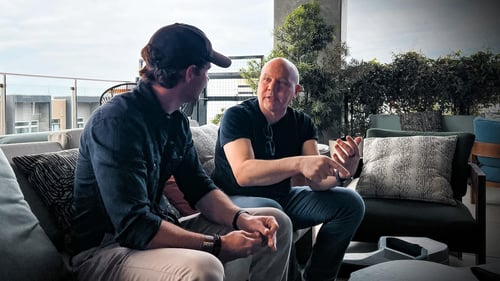
Two members of our Senior Leadership Team at Ninety, Kris Snyder and Christine Watts, recently started capturing some of these stories in the Impact Moments podcast. They talk with other founders, CEOs, and business leaders about the experiences that led to breakthroughs inside their organizations. What you hear again and again is that these moments rarely appear instantly. They come from teams doing hard work together, using a shared operating system, and staying engaged in conversations long enough for clarity to emerge.
The Compounding Effect of Clarity
When leadership teams learn how to reach real clarity together, the way decisions get made inside the organization begins to change. And those decisions get better because everyone understands the issue the same way. When that shared understanding exists, the company can move forward with a level of confidence that simply isn’t possible when leaders are guessing their way through difficult problems.
Those impact moments when the insight finally appears rarely happen by accident. They emerge when leadership teams have access to the same information, engage in disciplined conversations, and stay with issues long enough to truly understand what they’re seeing.
Over time, that practice compounds. The team becomes more comfortable examining reality together. Leaders begin connecting patterns more quickly. Problems that once felt complicated get resolved faster because the group knows the process for how to approach them. And they develop confidence in their ability to work through difficult problems as a group.
For founders, that’s where the real impact shows up. When you have a team that knows how to make good decisions together, you know your company can keep moving forward when things get hard or when the path ahead isn’t obvious. That's how you build something that lasts.
Want to hear more about how founders and leadership teams work through issues like this? Listen to the latest episode of the Founder’s Framework podcast.